Maximize Performance: Top Data Center Facility Operations Services for Optimal Performance
Enhancing efficiency in data centers is crucial for organizations wanting to improve performance. Top Data Center Infrastructure Management (DCIM) services offer essential instruments for continuous monitoring and insights. Solutions from ServiceNow, Sunbird, Schneider Electric, and Nlyte emerge as leaders in this sector. These services not only monitor assets but also refine resource handling. Understanding how to identify the right DCIM solution can produce significant gains. What aspects should organizations review to make an educated decision?
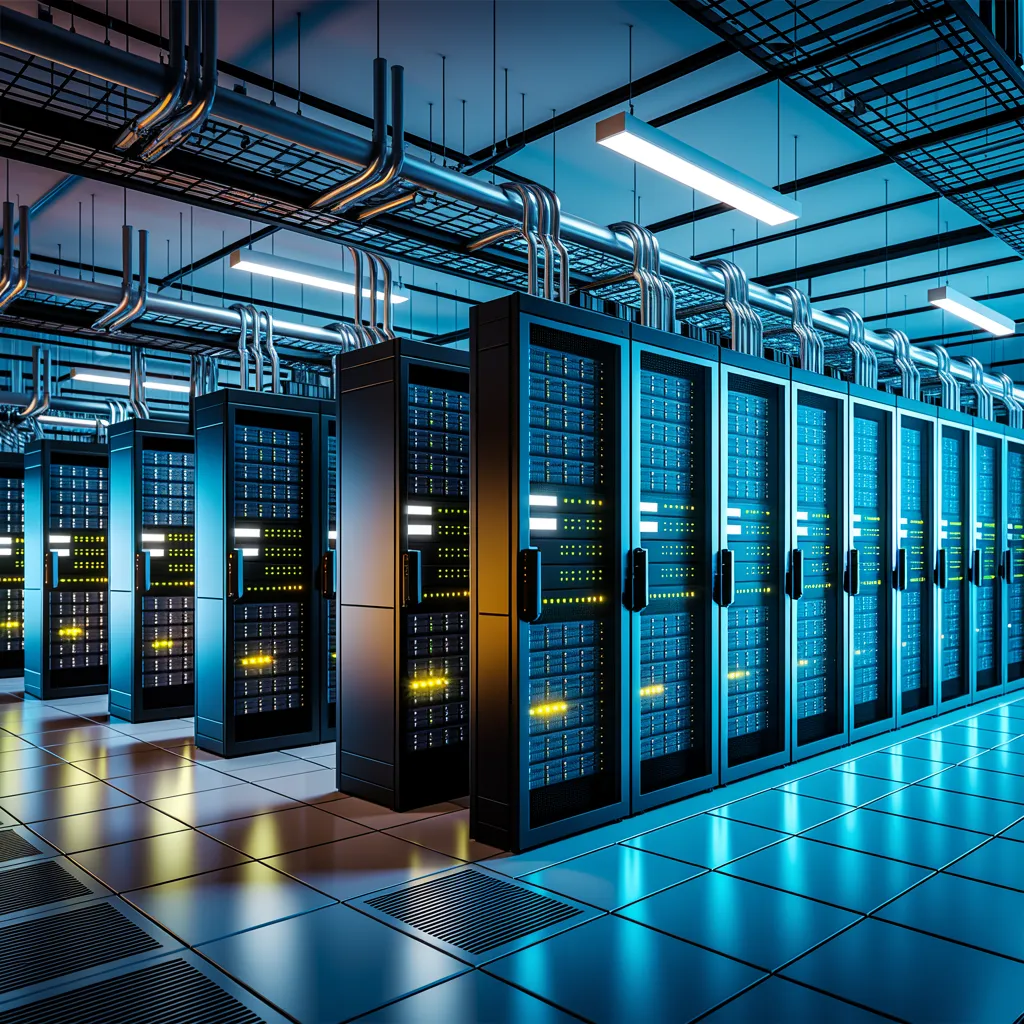
Premium DCIM Solutions for 2023
As institutions increasingly rely on data centers to support their operations, pinpointing the finest Data Center Infrastructure Management (DCIM) services for 2023 becomes vital. Major DCIM services present extensive solutions designed to enhance resource management, elevate operational efficiency, and confirm robust monitoring capabilities. Notable contenders in the market include ServiceNow, known for its integration capabilities, and Sunbird, which excels in real-time visualization and reporting. Additionally, Schneider Electric provides a powerful platform for energy management and asset tracking.
Another key competitor, Nlyte, specializes in improving data center performance through sophisticated analytics. These solutions not only facilitate better decision-making but also help in forecasting upcoming needs. As data demands continue to grow, choosing a DCIM service that offers scalability and adaptability is critical. Ultimately, companies must evaluate their particular requirements to choose the most suitable DCIM service, guaranteeing optimal performance and reliability in their data administration strategies.
Grasping server facility Infrastructure Management (DCIM)
Data Center Infrastructure Management (DCIM) encompasses a suite of tools and practices designed to monitor, manage, and optimize data center assets. By integrating IT and infrastructure oversight, DCIM delivers thorough insight into the performance and utilization of critical assets. This method facilitates real-time data collection, allowing operators to take knowledge-based actions regarding energy consumption, cooling efficiency, and space utilization.
DCIM products typically supply functions including inventory tracking, resource planning, and condition monitoring, which mutually enhance operational efficiency. They enable data center managers to spot impediments, optimize systems, and reduce operational costs. Moreover, DCIM enables business planning for future expansions and helps businesses to follow regulatory standards. By executing proven DCIM practices, data centers can achieve better dependability, greater environmental consciousness, and greater overall performance, therefore fostering superior support services in a rapidly evolving digital landscape.
Key Attributes for Opting for Powerful DCIM Services
Assessing effective Data in-depth article Center Infrastructure Management (DCIM) services requires careful evaluation of vital capabilities that boost operational efficiency and asset optimization. Key characteristics include immediate observation capabilities, delivering instant awareness into power usage and operational parameters. Integration with current systems is also vital, as frictionless interaction encourages a unified methodology to information governance.
Scalability functions as an important characteristic, allowing organizations to adapt as their infrastructure grows and changes. Sophisticated analysis tools can offer predictive insights, supporting proactive decision-making and minimizing downtime. User-friendly interfaces improve accessibility for multiple users, while robust security measures safeguard sensitive data.
Finally, customization options guarantee that DCIM services can be adapted to meet particular business requirements. By concentrating on these essential features, businesses can choose DCIM services that not only optimize performance but also support sustained growth and business excellence.
Finding the Perfect DCIM Solution Tailored to Your Business?
How can an company identify the best DCIM solution customized to its unique needs? The selection process begins with a thorough evaluation of existing systems and business requirements. Organizations should recognize specific goals, such as enhancing uptime, boosting resource usage, or refining capacity planning. Additionally, assessing expandability is essential; a solution must adjust to future growth and technical advancements.
Thereafter, entities must evaluate integration capabilities. The ideal DCIM solution should operate smoothly with existing tools and platforms. User-friendliness also serves a significant role; intuitive interfaces encourage user embrace and operational efficiency.
Moreover, groups should examine vendor support and community engagement, as ongoing assistance and capabilities can be pivotal. To summarize, running a value assessment ensures that the chosen solution conforms with financial parameters while delivering the anticipated value. By following these elements, institutions can confidently elect a DCIM solution that meets their specific demands and enhances aggregate performance.
Applying DCIM Applications to Increase Power Optimization
Leveraging DCIM tools can greatly enhance operational efficiency within data centers. By providing extensive insights into power consumption and temperature management, these tools enable operators to identify inefficiencies and enhance resource management. With immediate data on power consumption, data center managers can make informed determinations about equipment placement and thermal strategies, ensuring that energy is not wasted.
DCIM solutions also facilitate automation in monitoring and managing power loads, allowing for dynamic adjustments based on current demand. This flexibility can lead to substantial decreases in energy costs. In addition, advanced analytics within DCIM tools can identify areas for further improvement, promoting proactive measures rather than reactive fixes.
Merging these tools into normal activities encourages a ethos of continuous improvement, ultimately yielding a more sustainable data center environment. The takeaway is not simply streamlined performance but also a reduced carbon footprint, aligning with broader environmental goals.
Continuous Oversight : The Critical Infrastructure of DCIM Achievement
Real-time tracking constitutes a fundamental element in the triumph of Data Center Infrastructure Management (DCIM). By supplying boosted performance statistics, it makes possible proactive problem discovery and optimization of resource utilization. This characteristic ultimately adds to greater operational efficiency and robustness within data centers.
Enhanced Performance Metrics
Tracking infrastructure facility performance is crucial for boosting performance and maintaining reliability. Advanced operational metrics offer vital information into multiple operational dimensions, including power usage effectiveness, thermal management performance, and resource distribution. By harnessing live information, businesses can examine their system's operational status and adaptability, supporting strategic decision-making. Metrics including server availability, response delay, and throughput performance support detect new trends and evaluate growth needs. Furthermore, these measurements strengthen responsibility culture across departments, shaping future plans and budget decisions. Regular evaluation of operational data aids not just in comparison to industry best practices while nurtures an environment of perpetual advancement. In the end, advanced operational indicators function as a key basis of efficient data center infrastructure operations, producing both operational superiority and business advantage.
Proactive Problem Recognition
Proactive concern identification matters significantly in upholding the robustness of data center operations. By employing instant surveillance systems, data centers can spot potential problems ahead of deterioration into critical failures. This approach enables teams to react swiftly to anomalies in thermal conditions, power consumption, and equipment performance. Continuous observation guarantees that any shifts from established norms are flagged without delay, granting for quick corrective measures. As a result, the overall robustness of the infrastructure is enhanced, minimizing downtime and preserving service quality. Moreover, early identification contributes to informed decision-making regarding upkeep planning and capacity management, ultimately refining operational efficiency. Investing in robust monitoring solutions is non-negotiable for sustaining peak performance in today's complex data environments.
Resource Utilization Advancement
Competent management of a data center's resources copyrights upon the ability to regularly monitor and evaluate operational metrics. Real-time monitoring establishes the bedrock for optimizing resource utilization, empowering data center managers to identify inefficiencies and distribute assets effectively. By adopting advanced DCIM tools, organizations can acquire essential information on power consumption, cooling efficiency, and workload distribution. This data allows for more informed decision-making, ensuring that resources are maximized to their fullest potential. Additionally, real-time analytics promote immediate adjustments to changing demands, reducing waste and enhancing overall performance. Ultimately, effective resource utilization optimization not only strengthens operational efficiency but also furthers sustainability goals, making it a crucial component of modern data center management strategies.
Future Directions in Data Center Infrastructure Management
As computational hubs mature to respond to surging requirements for efficiency and performance, emerging trends in Data Center Infrastructure Management (DCIM) are recasting the terrain. One standout trend is the fusion of machine learning systems (AI) and machine learning, which enhances predictive analytics for capacity forecasting and power optimization. These technologies enable real-time monitoring and self-executing corrections to potential issues, materially reducing downtime.
Moreover, the uptake of edge computing is accelerating a shift in DCIM strategies, as businesses seek to process data closer to its source for superior speed and efficiency. This calls for state-of-the-art management tools to preserve performance across decentralized environments.
Sustainability is additionally at the forefront, with a focus on lowering carbon footprints and enhancing resource consumption. To conclude, the rise of hybrid cloud solutions calls for more advanced DCIM systems that smoothly manage both on-premises and cloud resources, providing maximum operational efficiency.
Common Queries That Are Asked
How Can I connect DCIM With Current Data Center Systems?
To link DCIM with existing data center systems, one needs to analyze current infrastructure, verify compatibility, enable APIs for data exchange, and conduct thorough testing to validate seamless operation and improved management capabilities across platforms.
What Makes Up the Average Price of Establishing DCIM Solutions?
The expenditure for deploying DCIM solutions typically sits between $20,000 and $150,000, subject to the data center's dimensions, the complexity of the infrastructure, and the demanded functionalities for ideal management.
Are there particular regulatory requirements for DCIM Services?
Yes, there are specific compliance standards for DCIM services, such as ISO 27001 for data protection, PCI DSS for payment data security, and multiple environmental guidelines that guide energy efficiency and sustainability practices within data centers.
How frequently Ought to I Upgrade My DCIM Software?
DCIM software maintenance should occur at least annually, though updates every quarter are recommended to deliver superior performance, protective enhancements, and conformity with updated requirements. Regular assessments help determine when updates are critical for unique business requirements.
Can DCIM Tools Aid Crisis Management Planning?
DCIM tools can greatly aid in disaster recovery planning by providing live surveillance, resource oversight, and scenario simulations. This guarantees that data centers are ready for potential disruptions, strengthening overall stability and recovery strategies.