Maximize Performance: Top Data Center Facility Operations Services for Peak Performance
Improving efficiency in data centers is needed for organizations endeavoring to advance performance. Top Data Center Infrastructure Management (DCIM) services present vital solutions for live monitoring and metrics. Solutions from ServiceNow, Sunbird, Schneider Electric, and Nlyte rise above this competitive space. These services not only catalog assets but also fine-tune resource utilization. Understanding how to decide on the right DCIM solution can bring about significant benefits. What elements should organizations deliberate to make an prudent choice?
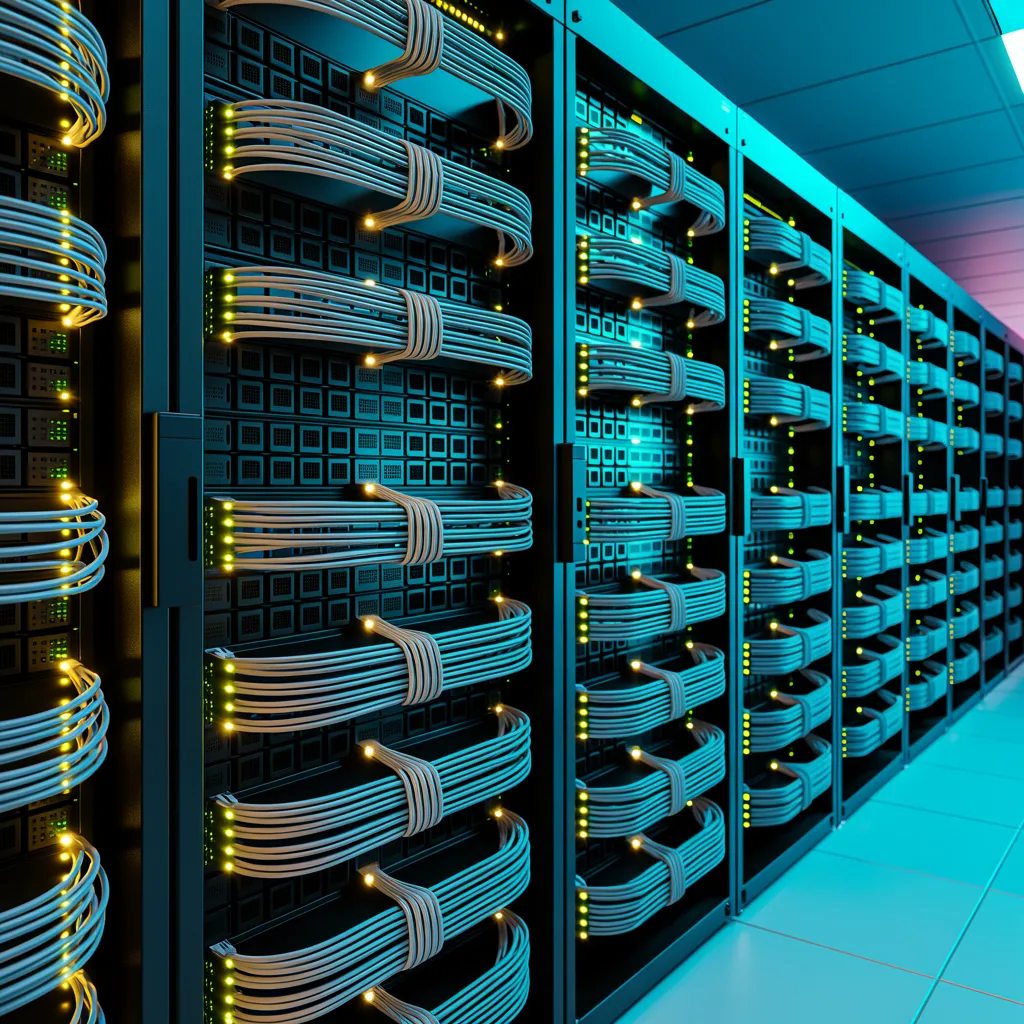
Premium DCIM Services for 2023
As organizations more and more depend on data centers to facilitate their business activities, identifying the top Data Center Infrastructure Management (DCIM) solutions for 2023 is vital. Top-tier DCIM solutions provide comprehensive solutions intended to enhance resource management, improve operational efficiency, and guarantee robust monitoring capabilities. Notable players in the market include ServiceNow, known for its integration capabilities, and Sunbird, which specializes in real-time visualization and reporting. Additionally, Schneider Electric provides a powerful platform for energy management and asset tracking.
Another key player, Nlyte, focuses on enhancing data center efficiency through sophisticated analytics. These services not only enable better strategic choices but also help in predicting future needs. As data demands continue to grow, selecting a DCIM service that offers flexibility and versatility is critical. Ultimately, companies must assess their particular needs to select the most appropriate DCIM service, ensuring peak efficiency and dependability in their data management strategies.
Understanding Data Center system administration (DCIM)
Data Center Infrastructure Management (DCIM) encompasses a suite of tools and practices designed to monitor, manage, and optimize data center resources. By combining IT and infrastructure oversight, DCIM provides comprehensive visibility into the efficiency and usage of critical assets. This approach enables immediate information gathering, enabling operators to make informed decisions regarding power usage, cooling efficiency, and space utilization.
DCIM tools often provide capabilities such as asset tracking, capacity planning, and climate control assessment, which together enhance performance optimization. They enable data center managers to detect constraints, streamline workflows, and reduce expenses. Furthermore, DCIM facilitates strategic planning for growth initiatives and assists organizations meet regulatory standards. By adopting effective DCIM methodologies, data centers can attain higher reliability, enhanced environmental responsibility, and superior overall performance, ultimately contributing to enhanced service delivery in a rapidly evolving digital landscape.
Vital Traits for Identifying Superior DCIM Solutions
Determining effective Data Center Infrastructure Management (DCIM) services demands thorough consideration of vital capabilities that boost operational efficiency and resource management. Crucial attributes feature immediate monitoring tools, providing instant insight into energy consumption and operational parameters. Connectivity with existing systems is also critical, as seamless communication encourages a integrated methodology to information governance.
Scalability represents a key feature, enabling organizations to adapt as their infrastructure grows and transforms. Advanced analytics can deliver forecasting intelligence, supporting proactive decision-making and minimizing downtime. User-friendly interfaces enhance accessibility for various stakeholders, while strong protective protocols protect sensitive data.
In conclusion, adjustment capabilities confirm that DCIM services can be configured to meet distinct institutional requirements. By prioritizing these vital elements, organizations can identify DCIM services that not only maximize effectiveness but also foster long-term sustainability and operational success.
Determining the Most Suitable DCIM System to fit Your Particular Needs?
What approach can an enterprise use to choose the best DCIM solution tailored to its unique needs? The decision-making process commences with a detailed review of see more existing infrastructure and functional requirements. Organizations should identify concrete goals, such as improving uptime, strengthening resource allocation, or fine-tuning capacity planning. Additionally, evaluating scalability is vital; a solution must adapt to future growth and technological advancements.
Next, companies must evaluate integration features. The ideal DCIM solution should integrate smoothly with current systems and applications. Ease of use also plays a significant role; intuitive interfaces promote user adoption and operational efficiency.
Furthermore, organizations should investigate vendor support and community engagement, as continuous support and tools can be substantial. In conclusion, performing a financial evaluation guarantees that the selected option complies with financial limitations while delivering the expected benefits. By adhering to these procedures, organizations can confidently select a DCIM solution that meets their specific demands and improves overall performance.
Using DCIM Tools to Enhance Energy Efficiency
Deploying DCIM solutions can greatly improve energy efficiency within data centers. Through supplying comprehensive insights into energy demand and thermal dynamics, these tools empower operators to uncover inefficiencies and optimize resource allocation. With real-time information on energy usage, data center managers can make well-informed decisions about equipment placement and cooling strategies, ensuring that energy is not wasted.
DCIM solutions also facilitate automated oversight of power loads, allowing for dynamic adjustments based on current demand. This versatility can lead to significant reductions in energy costs. In addition, intelligent analytics within DCIM tools can detect areas for further enhancement, promoting proactive measures rather than reactive solutions.
Embedding these solutions into daily operations creates a culture of continuous improvement, ultimately pushing toward a eco-friendlier data center infrastructure. The result is not merely enhanced efficiency but also a reduced carbon footprint, aligning with comprehensive sustainability targets.
Real-Time Analysis : The Pillar of DCIM Success
Real-time tracking represents a fundamental element in the triumph of Data Center Infrastructure Management (DCIM). By supplying upgraded performance metrics, it makes possible anticipatory problem discovery and streamlining of resource consumption. This characteristic conclusively adds to increased operational productivity and robustness within data centers.
Optimized Results Metrics
Evaluating facility infrastructure operational output represents an imperative for maximizing efficiency and guaranteeing stability. Superior performance measures present crucial insights regarding multiple infrastructure aspects, encompassing electrical energy efficiency, temperature control effectiveness, and resource management. Through employing real-time monitoring, organizations can evaluate their infrastructure durability and adaptability, permitting strategic choices. Key performance indicators including server availability, transmission speed, and data capacity prove instrumental in spotting changes and determining expansion capacity. Concurrently, such measures build team responsibility, directing strategic initiatives and fiscal priorities. Methodical evaluation of operational intelligence supports industry benchmarking against established performance criteria and supports a framework promoting ongoing development. Fundamentally, advanced performance metrics act as a cornerstone for strong infrastructure management, generating operational excellence and business advantage.
Active Issue Monitoring
Proactive problem identification serves a critical purpose in upholding the integrity of data center operations. By employing real-time monitoring tools, data centers can identify possible issues before they worsen into severe breakdowns. This strategy enables teams to act quickly to anomalies in temperature, energy usage, and equipment performance. Ongoing monitoring confirms that any variations from established norms are highlighted promptly, permitting for immediate response. As a consequence, the overall dependability of the framework is strengthened, reducing service interruptions and maintaining service quality. Moreover, proactive detection supports strategic planning regarding maintenance schedules and resource allocation, eventually enhancing operational efficiency. Allocating investment in robust monitoring solutions is vital for ensuring peak performance in modern complex data environments.
Resource Utilization Optimization
Proficient oversight of a data center's resources depends on the ability to consistently monitor and examine operational metrics. Real-time surveillance provides the foundation for optimizing resource utilization, enabling data center managers to recognize inefficiencies and allocate assets effectively. By deploying advanced DCIM tools, organizations can obtain essential information on power consumption, cooling efficiency, and workload distribution. This data allows for more strategic decision-making, ensuring that resources are leveraged to their fullest potential. Additionally, real-time analytics facilitate immediate actions to changing demands, curtailing waste and enhancing overall performance. Ultimately, effective resource utilization optimization not only improves operational efficiency but also advances sustainability goals, making it a essential component of modern data center management strategies.
Forthcoming Advancements in Data Center Infrastructure Management
As server facilities adapt to satisfy increasing requirements for optimization and speed, new developments in Data Center Infrastructure Management (DCIM) are reshaping the landscape. One notable development is the incorporation of artificial intelligence (AI) and machine learning, which improves predictive analytics for resource allocation and energy management. These solutions allow real-time monitoring and automatic interventions to potential issues, significantly decreasing downtime.
Furthermore, the adoption of edge computing is catalyzing a transition in DCIM tactics, as businesses strive to process data closer to its source for better speed and efficiency. This requires cutting-edge management tools to maintain performance across distributed environments.
Sustainability remains at the vanguard, focusing on reducing carbon footprints and optimizing how resources are consumed. Lastly, the growth of hybrid cloud solutions requires more complex DCIM systems capable of seamlessly handling both on-premises and cloud resources, guaranteeing the highest operational efficiency.
Frequently Asked Inquiries
What Are The Steps To connect DCIM With Current Data Center Infrastructure?
To integrate DCIM with existing data center systems, one should assess current infrastructure, guarantee compatibility, implement APIs for data exchange, and perform thorough testing to verify seamless operation and improved management capabilities across platforms.
How Much Is the Average Expense to Install DCIM Solutions?
DCIM solution installation commonly ranges from $20,000 to $150,000 in cost, shifting according to the data center magnitude, infrastructure complexity, and the targeted capabilities required to ensure optimal management.
What particular compliance standards pertain to DCIM Services?
Indeed, particular regulatory requirements are necessary for DCIM services, such as ISO 27001 for information security, PCI DSS for payment data security, and various environmental regulations that guide energy efficiency and sustainability practices within data centers.
What Schedule Ought to I Maintain for Updating My DCIM Software?
DCIM software maintenance should be executed at least once per year, though quarterly updates are recommended to deliver superior performance, protective enhancements, and conformity with updated requirements. Regular assessments help establish when updates are critical for unique business requirements.
Will DCIM Tools Enable Business Continuity Design?
DCIM tools can greatly aid in disaster recovery planning by providing live surveillance, resource oversight, and scenario simulations. This guarantees that data centers are prepared for possible outages, enhancing overall resilience and recovery strategies.